AN INVITATION TO A NEW CIVIC FUTURE
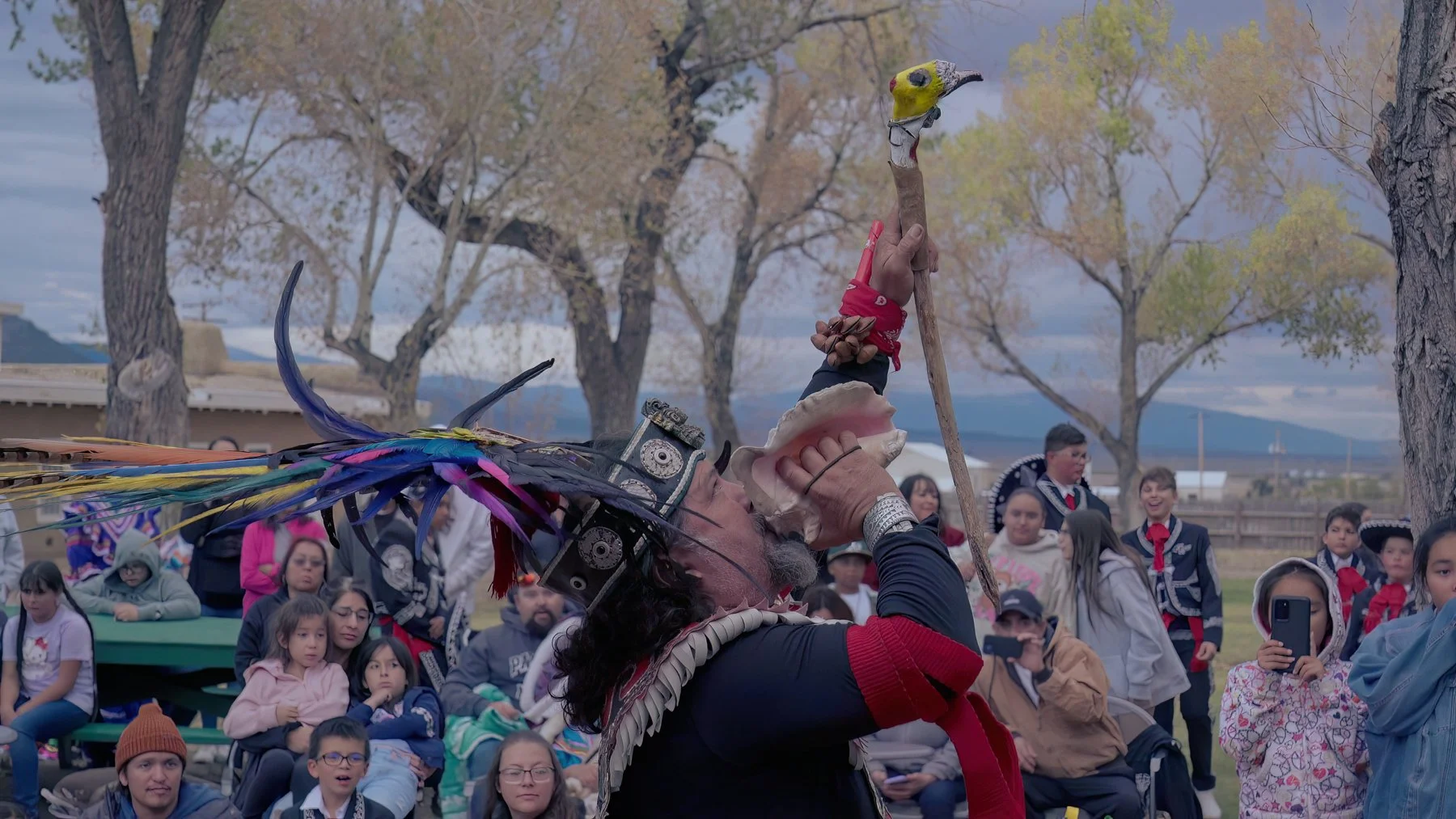
We’re committed to a new civic future where people feel agency over their lives, where neighbors are connected through relationships of trust, and where communities have the power to shape their own futures.
Whether you’re rooted locally or approaching this work nationally, we invite you to join us by reading & signing onto this letter.
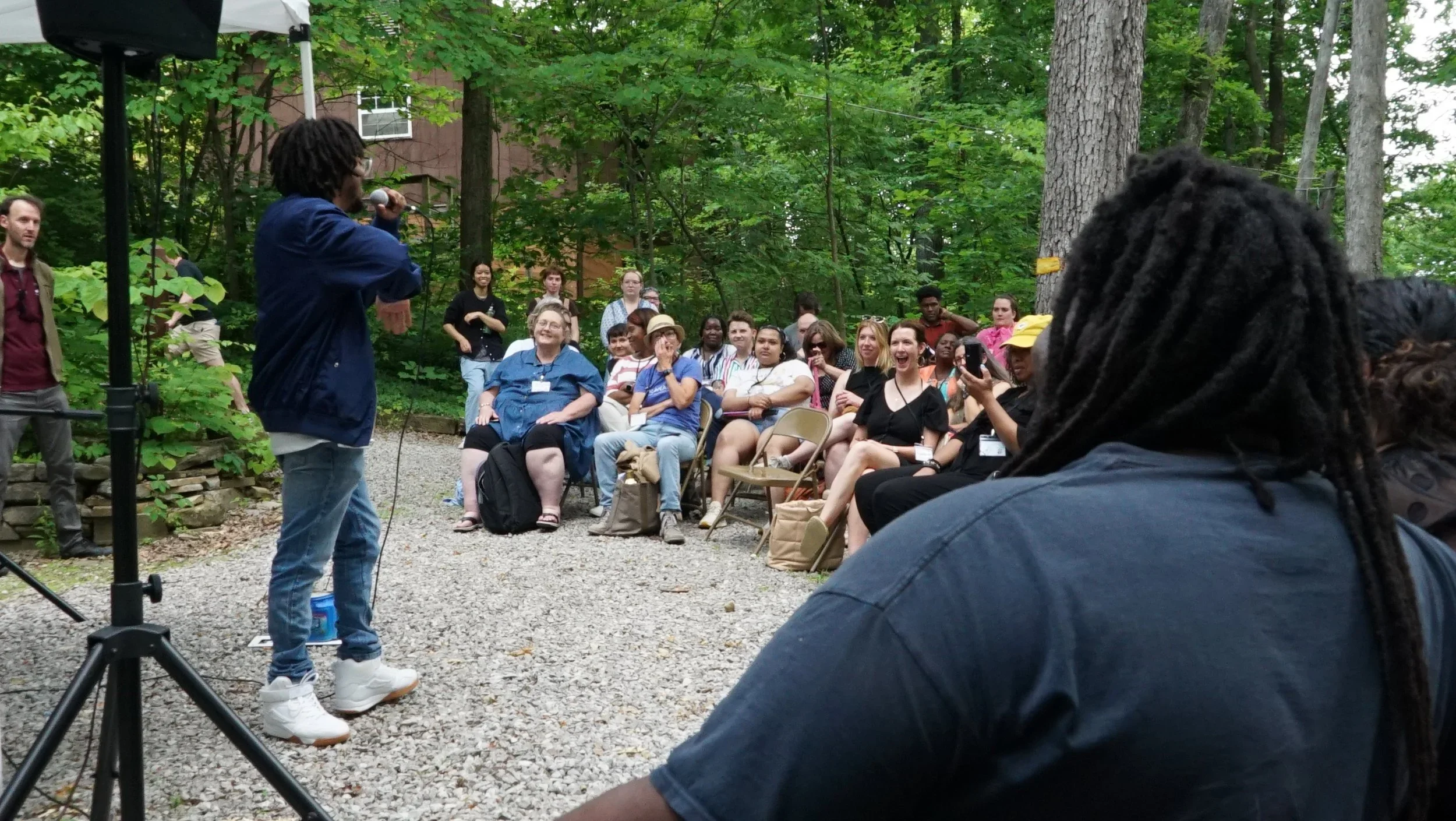
CAN YOU FEEL IT?
In the face of our country's many crises, new seeds of civic renewal are beginning to take root. In neighborhoods, parks, libraries, and houses of worship across America, neighbors are cultivating a new civic future and finding new ways to break out of the dominant idea for the past 50 years: that our communities were better managed from afar than built together in the places we call home.
But our communities know better.
While our political parties and institutions crumble under partisanship and ineffectiveness, communities are solving problems for themselves. While distant experts sell us technocratic fixes to community ills, communities are renewing themselves from within. While national headlines tell us we’re lonely, divided, and powerless, communities are showing us something else: a future rooted in the local, neighbor-led civic life that has sustained this nation since its founding.
America is at the start of a generational opportunity to renew our civic life.
Moments like this are fragile.
They can be nurtured. Or, they can be captured. Solutions being sold to communities by distant experts, nonprofits, and funders who aren’t accountable to them may not intend harm. But, they often shift attention, power, and resources away from communities, displacing local stewardship rather than strengthening it.
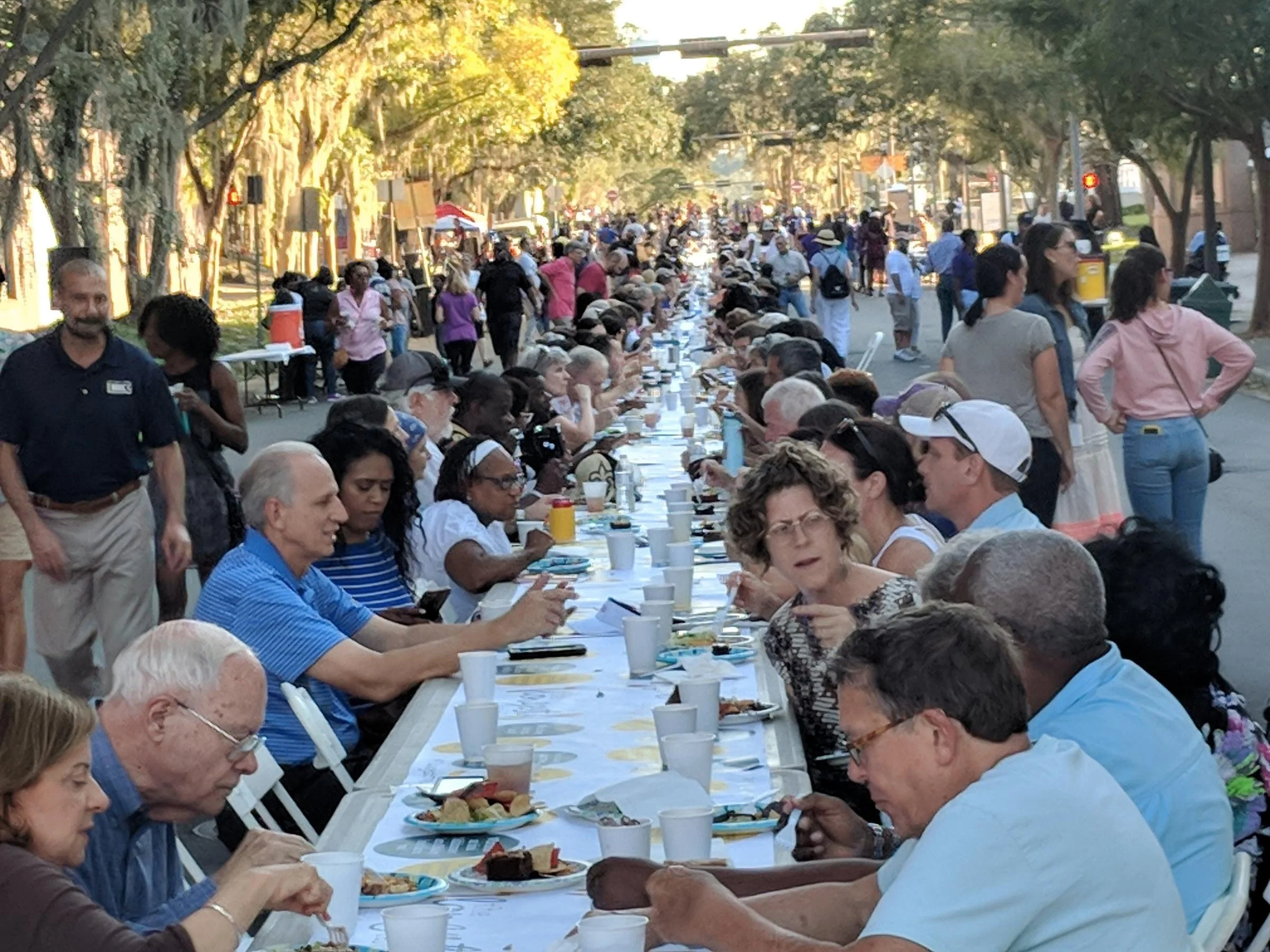
It’s this opportunity for community-led renewal — and the risk it gets captured — that’s brought a small group of us together over the past year. We come from different political traditions, geographies, and lines of work, but we are bound by a shared commitment to renewing civic life in the places we live and by a shared belief that this renewal can only be built from the ground up.
As we've met, we've asked ourselves: What kind of shared civic life are we called to grow together?
Here's our answer:
One where people feel agency over their lives, where neighbors are connected through relationships of trust, and where communities have the power to shape their own future.
THE FOUNDATIONS OF CIVIC RENEWAL
We believe the seeds of this shared civic life must be rooted in five foundational principles for cultivating our collective future:
PARTICIPATORY
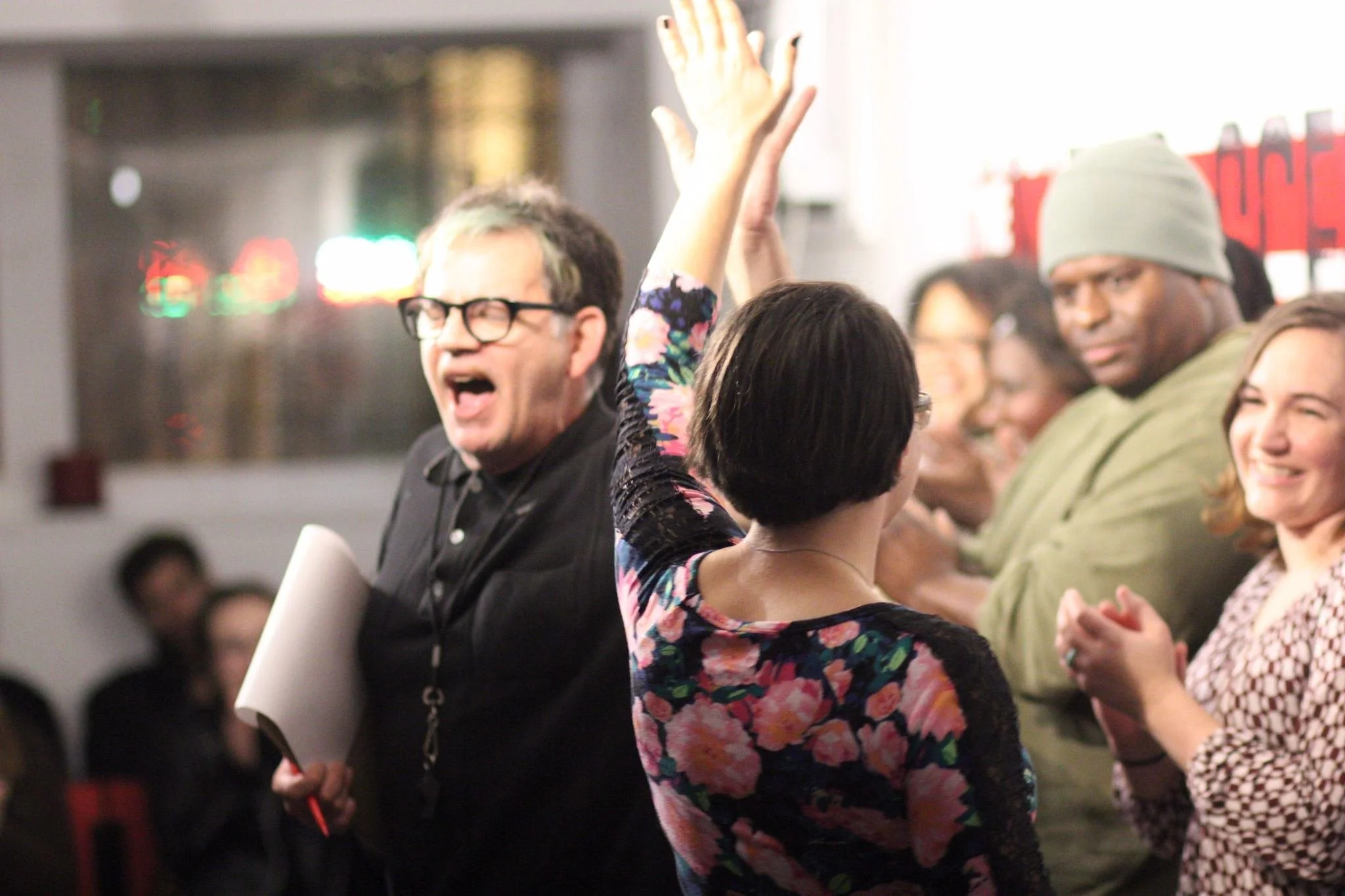
We must approach residents as active members expected to shape their community's future, not passive clients to be served.
Too much of civic life treats communities as places to be managed instead of places to belong. Professionals design the programs, boards approve the plans, and residents are left to receive or reject what’s been made for them. People are invited to consume decisions as clients or customers instead of producing their own future.
In our civic future, that story changes. People aren't passive recipients; they are active members deserving of full participation in our shared lives. In our civic future, communities become the laboratories of democracy: places where neighbors work together to solve problems and make meaning. Nothing is done for communities or to them. It's done by them.
What does this future look like? Relearning the practices of membership we’ve forgotten: cooperation, shared responsibility, and mutual accountability. Recognizing and supporting the local leaders who already help their communities thrive. Removing the practical barriers — time, transportation, resources — that make participation harder for many people.
ALIVE
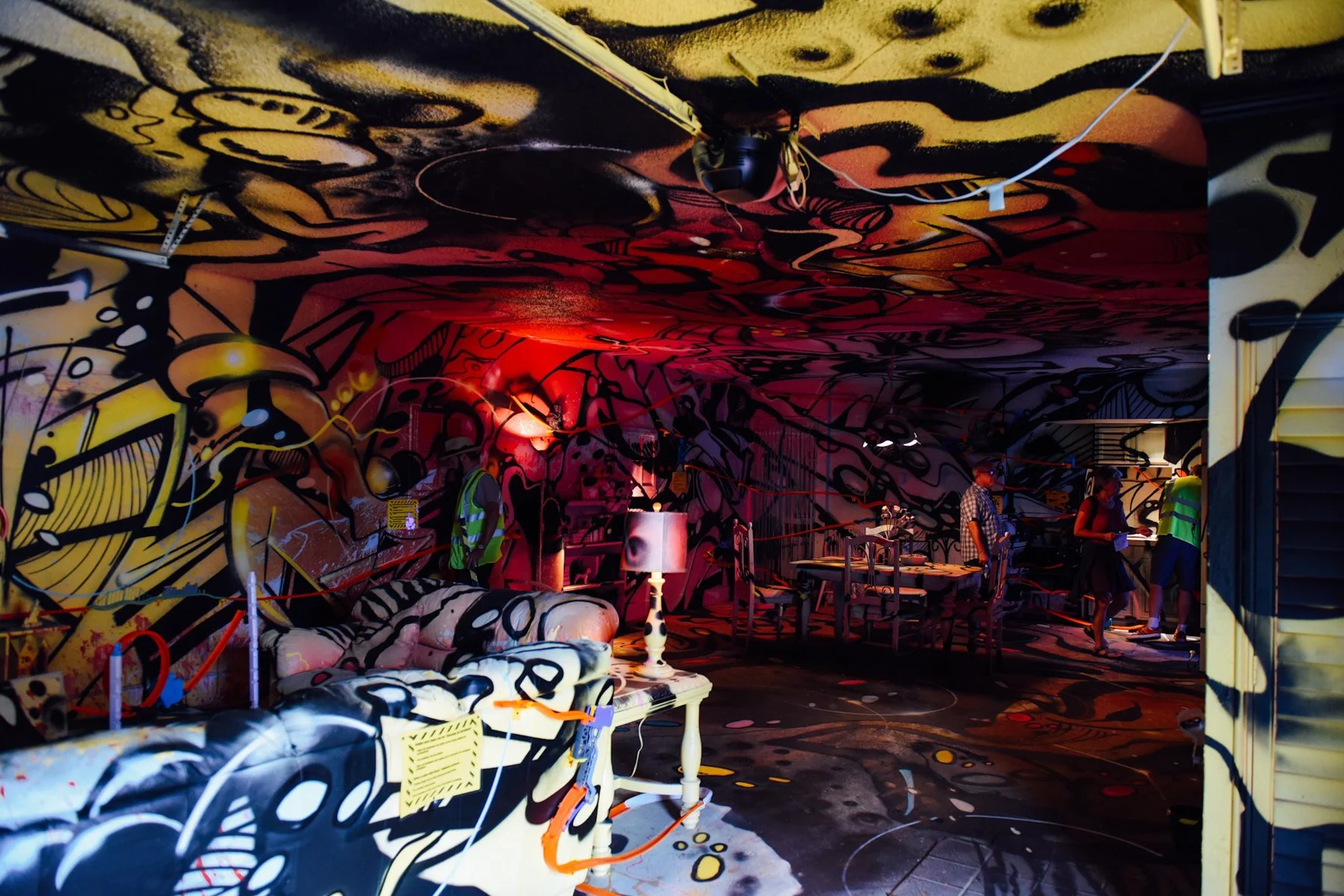
We must embrace the joy, culture, and full humanity that make civic life worth living, not the logic of the machine.
Too much of our civic life has been drained of its humanity, turned into something efficient, procedural, and lifeless. We’re told that it's serious work that must look serious — that the path to a better community is paved by following best practices in pursuit of quantifiable metrics. Yet our most enduring civic traditions arose because people naturally gather, share meals, laugh, mourn, and celebrate together, not because someone stumbled upon a successful intervention.
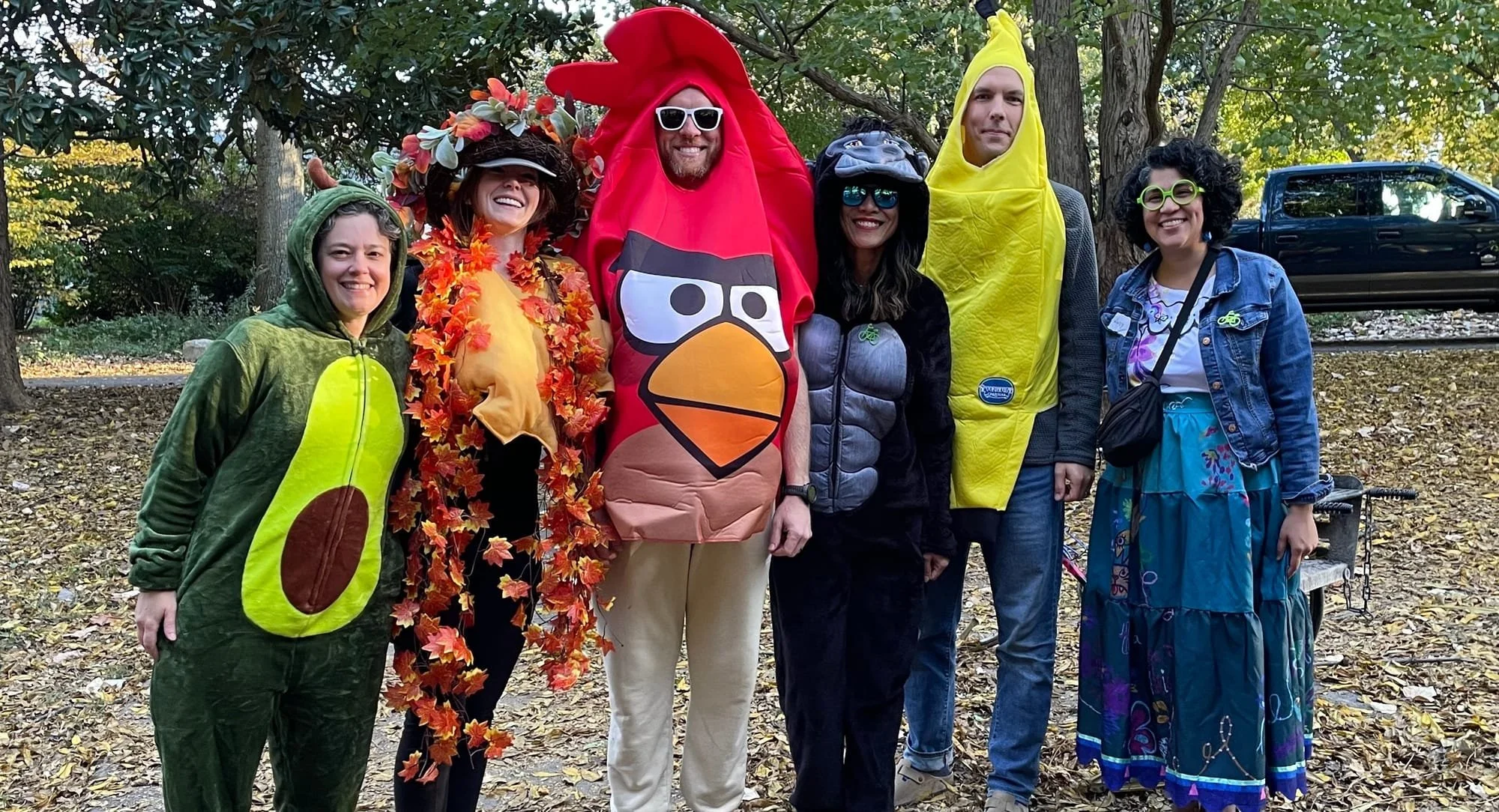
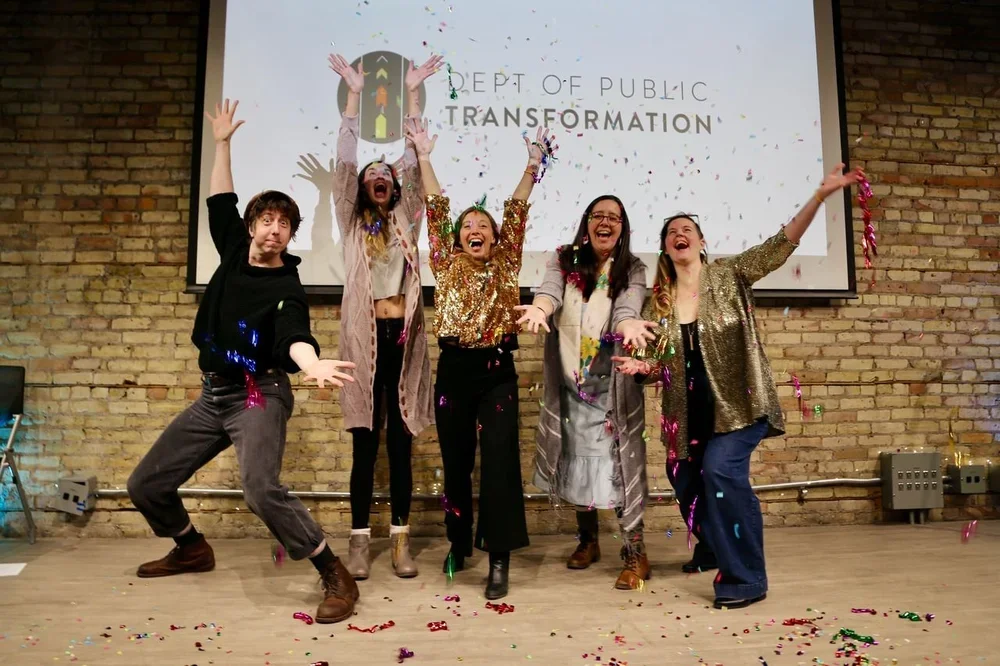
In our civic future, joy, creativity, and the human condition are not distractions from civic life — they are its lifeforce! In our civic future, people show up as full, complex human beings and build a civic life that people want to belong to. In our civic future, people actually want to show up — because it’s magnetic, because it’s irresistible.
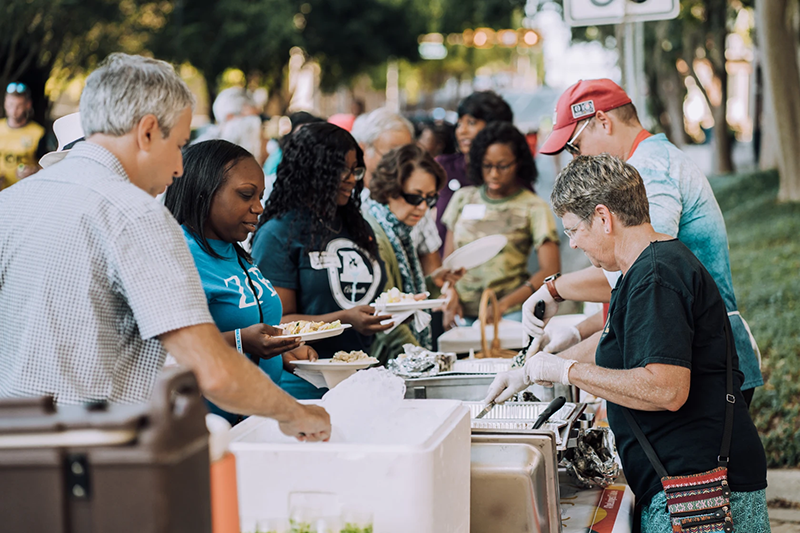
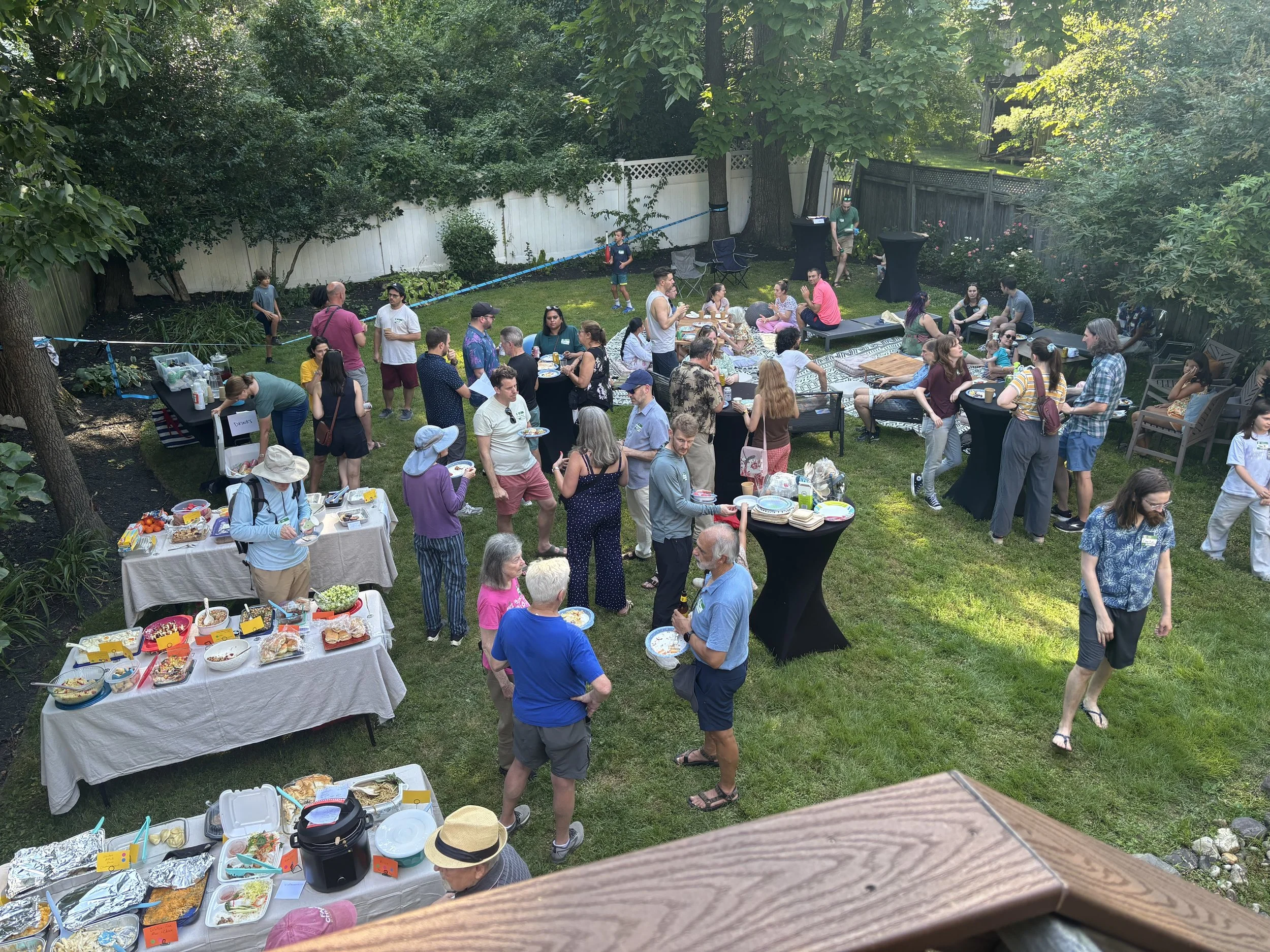
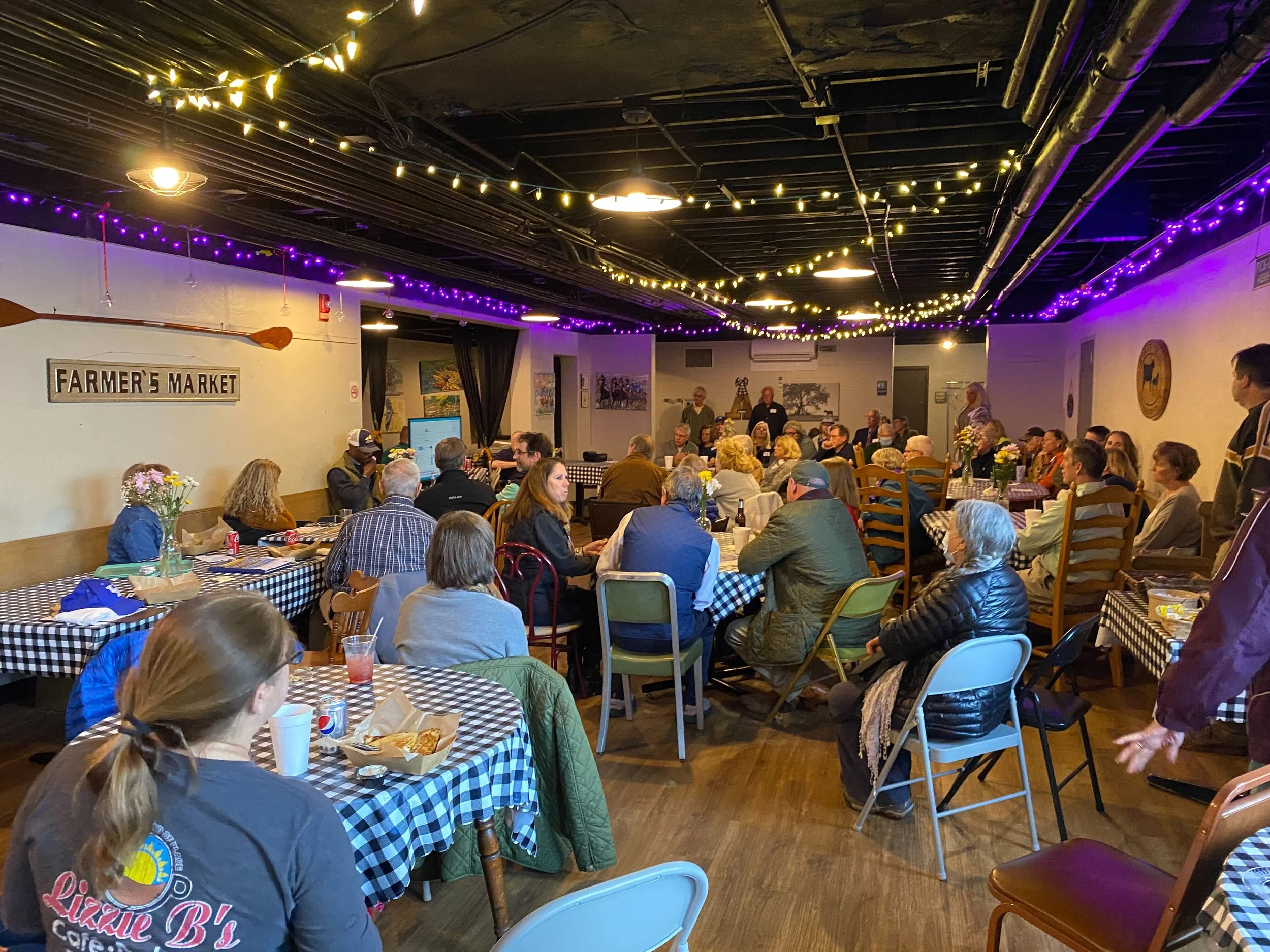
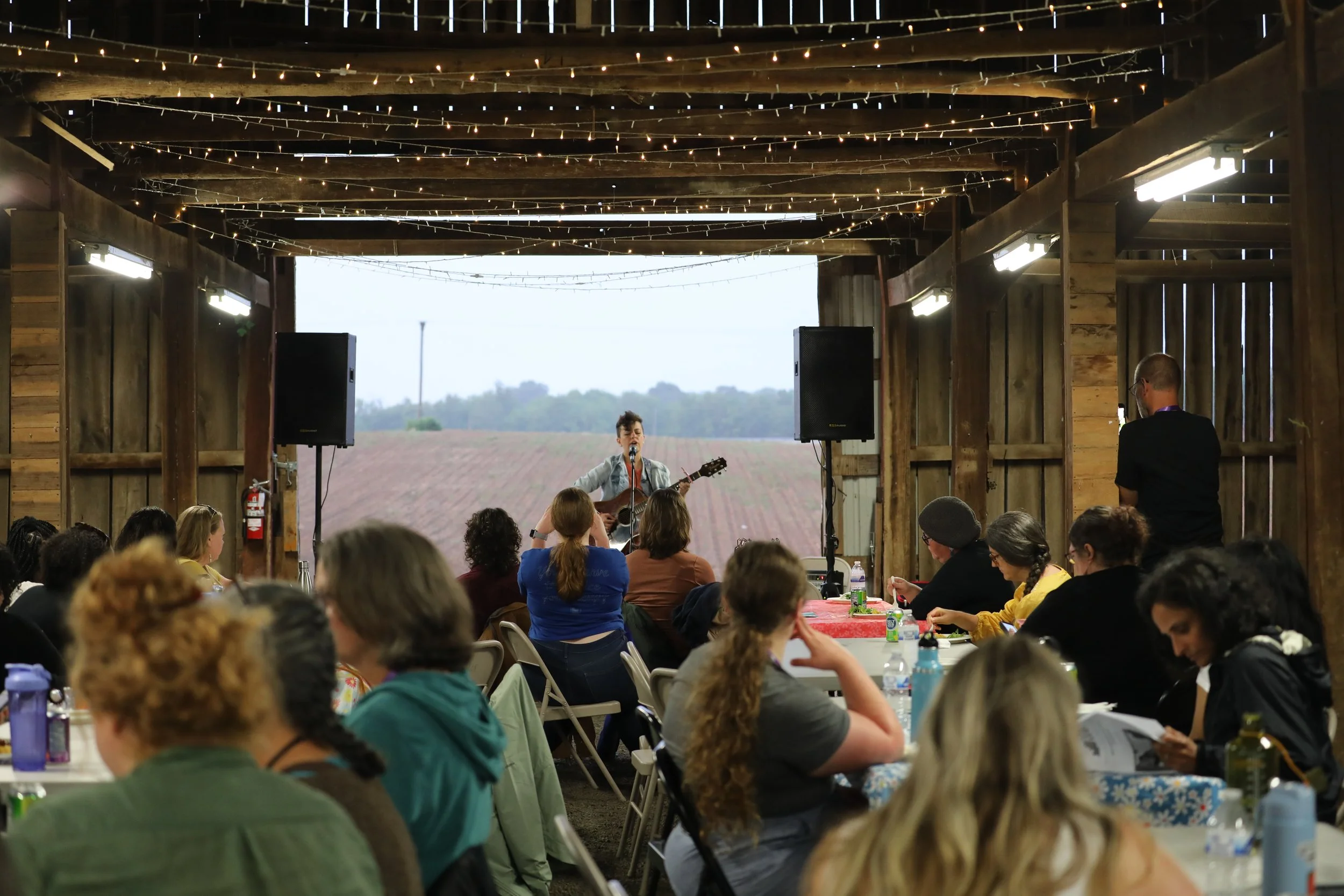
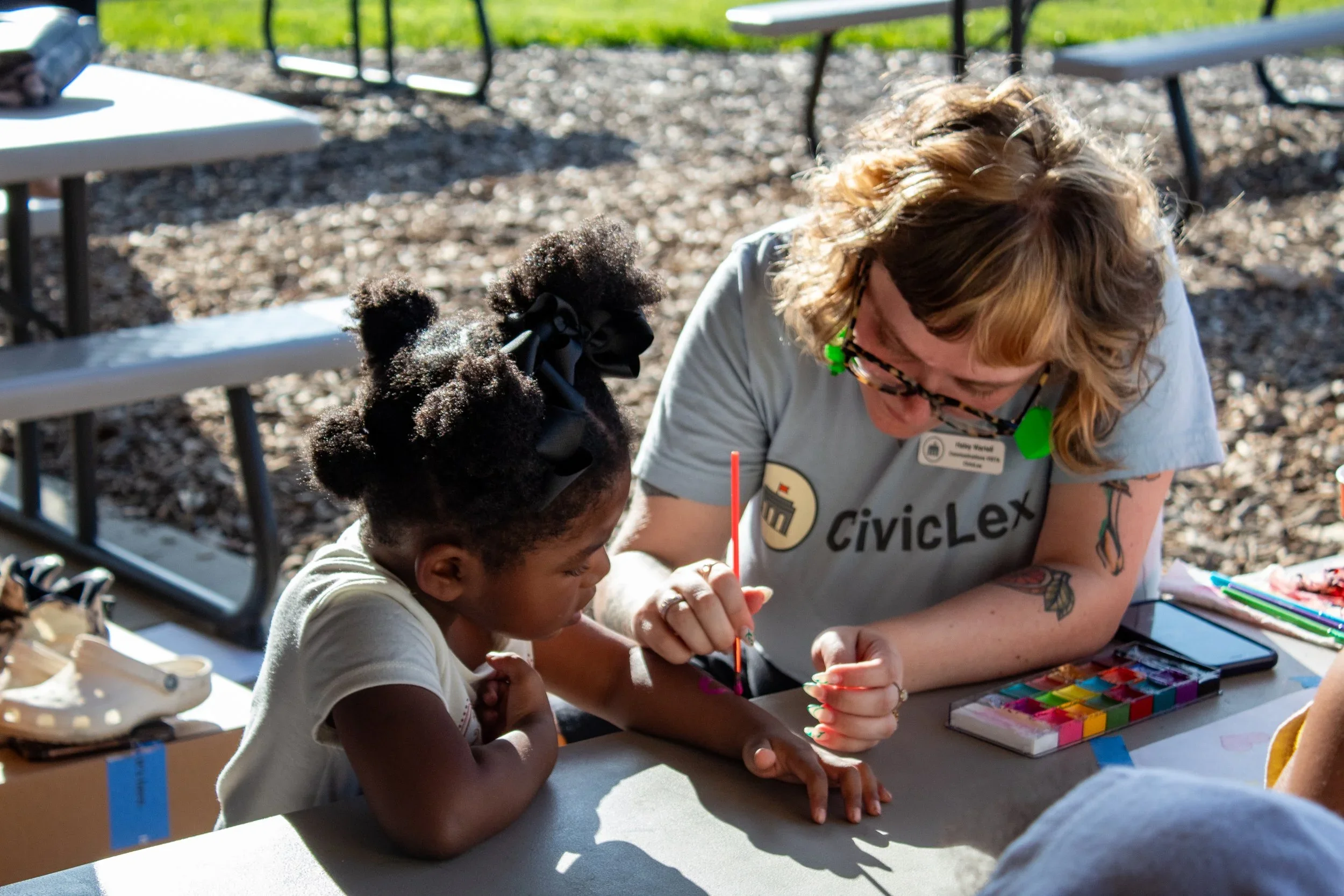
What does this future look like? It’s one filled with shared meals in kitchens, church basements, and on front porches where people experience laughter and sorrow. Communities gathering at block parties, festivals, and cultural rituals rooted in their histories and traditions. People experiencing a full range of emotions side by side, remembering what it feels like to be fully human.
We must root renewal in the people who live in the places they serve, not distant groups and leaders.
PROXIMATE
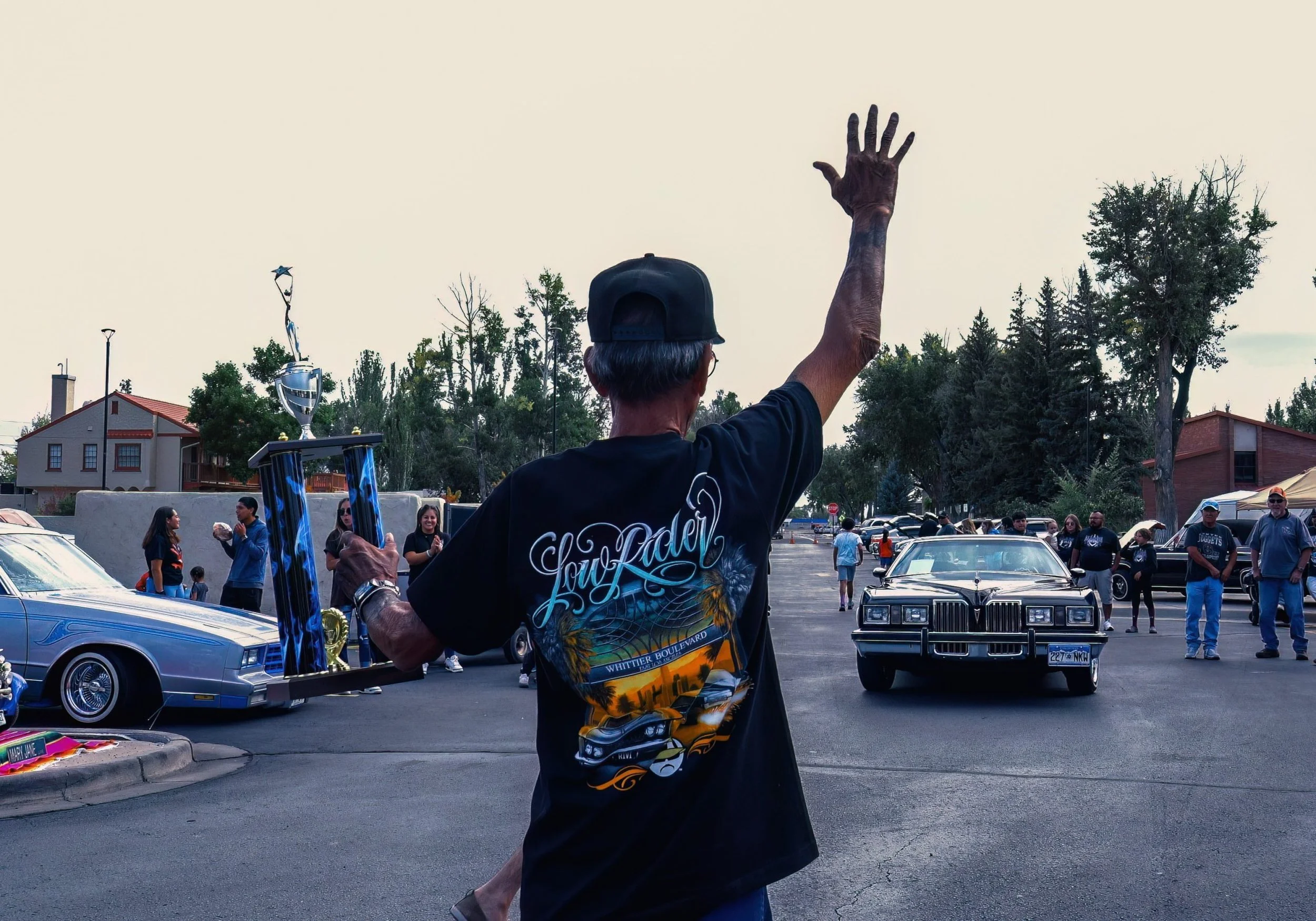
Too much of our civic life is built from afar. When civic work is led by those who are neither rooted in nor accountable to the people they serve, people and places become commodified and disposable. Communities and their leaders become abstract anyones and anywheres instead of the storied, rich, and real cultures they are.
In our civic future, renewal is led by people rooted in their particular places. When leaders live in the places they serve, know their neighbors by name, and stay long enough to see the results of their work in the next generation, it brings undeniable accountability. In our civic future, scale isn't achieved by top-down replication or centralization, but from the bottom-up by millions of rooted leaders cultivating civic life in tens of thousands of particular places.
What does this future look like? People discovering their self-interest, rightly understood, by recognizing their own flourishing is bound up with the flourishing of their neighbors. Distributed networks of local leaders, connected to each other in mutualistic relationship within and across place. Sustainability that doesn’t rely on constant outside funding – where communities have real ownership and can govern themselves.
We must treat relationships and interpersonal trust as ends in and of themselves, not means toward other ends.
RELATIONAL
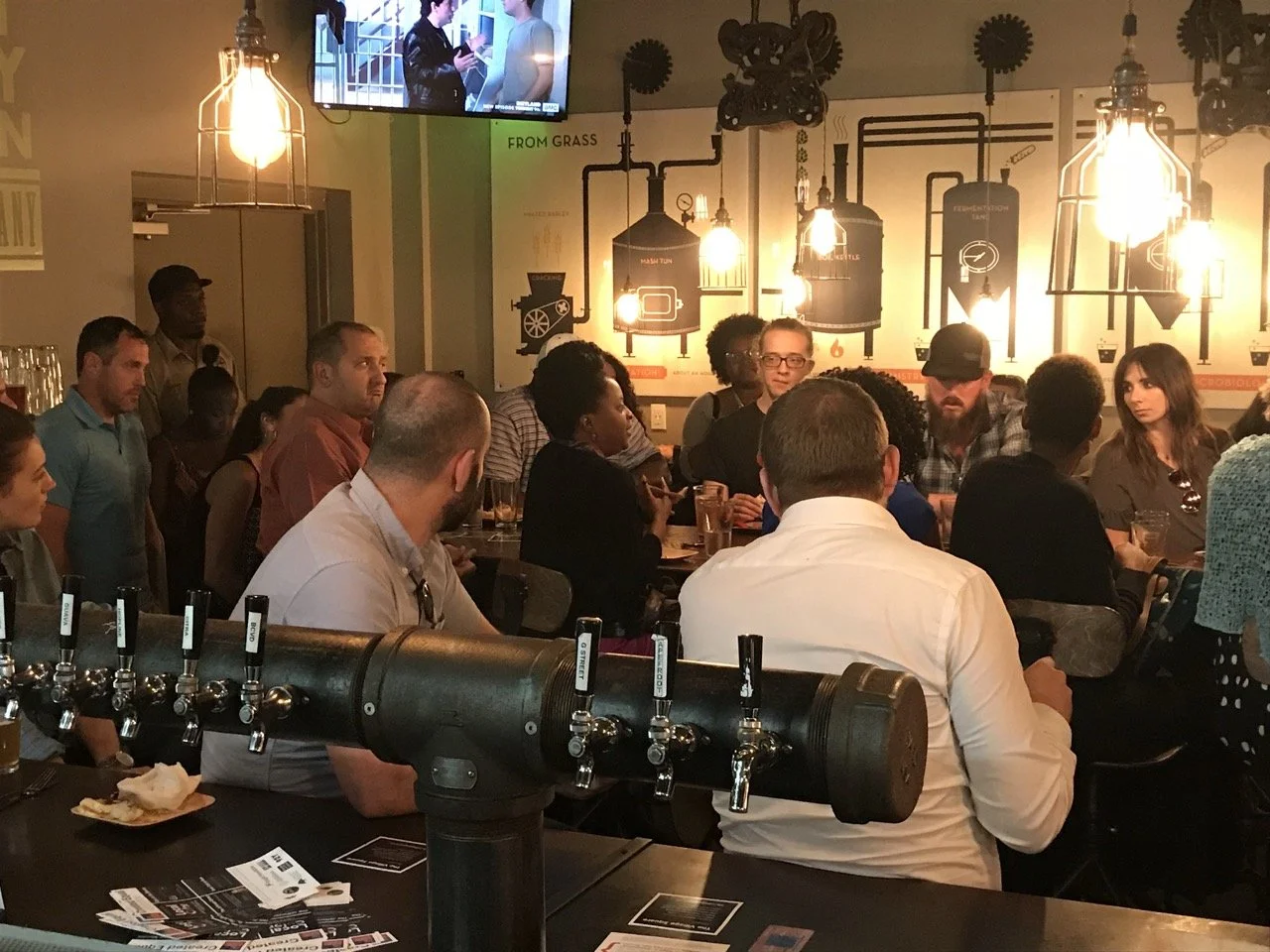
Too much of our civic life has become transactional. We treat relationships as means to other ends: to advance goals, prove outcomes, or get the scale we need for investment. We build fields instead of friendships, host convenings instead of seeking communion. All of this can leave us with an aftertaste of feeling used.
In our civic future, relationships are not a strategy or tactic to advance some “more important” measurable outcome — they are the substance of the work itself. In our civic future, our work is built on a foundation of long-term reciprocity that strengthens both people and places. It is this relational commitment that earns trust that lasts.
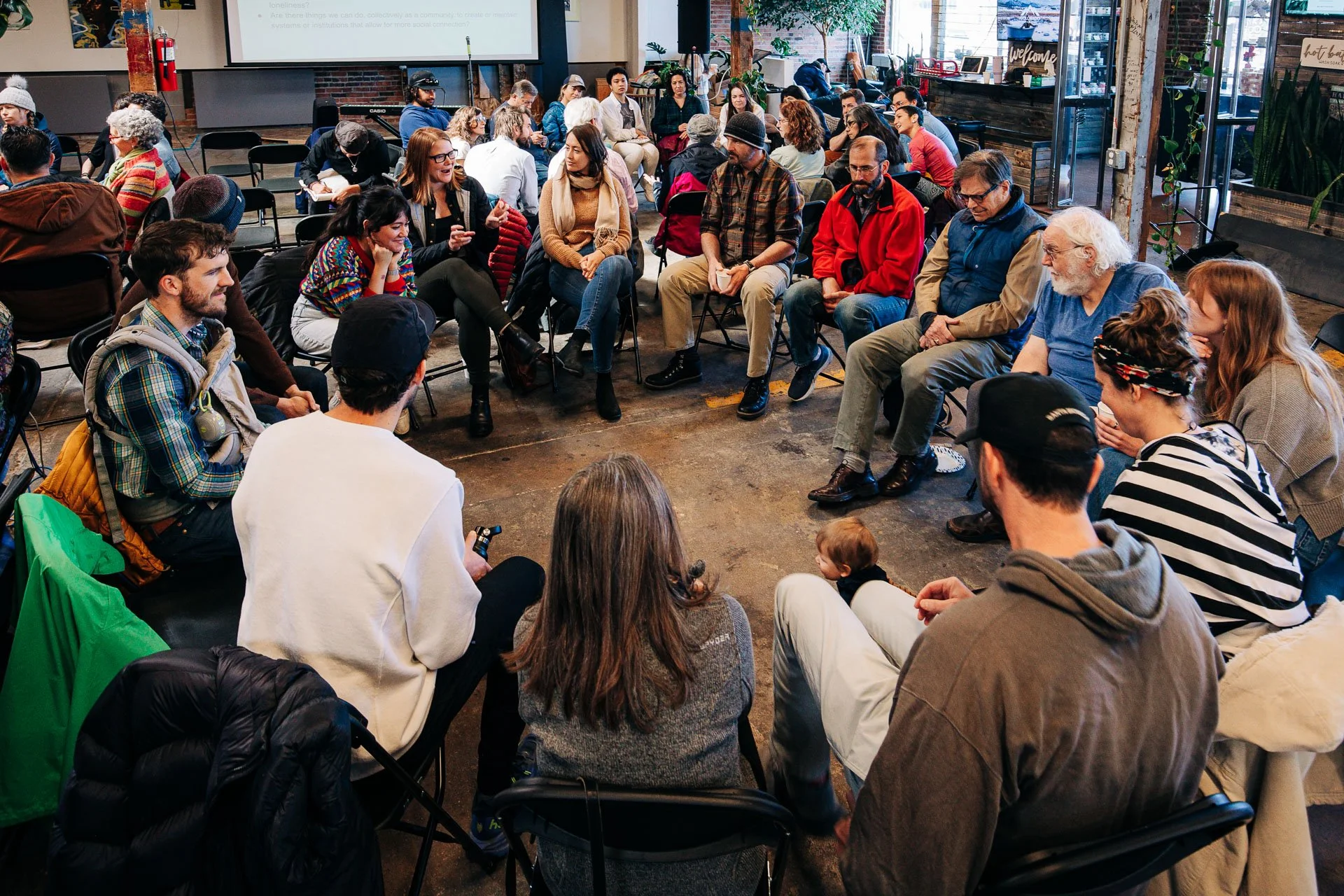
What does this future look like? Slowing down to cultivate relationships and community at the speed of trust. Choosing depth over breadth, and saying no to opportunities that would stretch a community too far. Sacrificing our short-term ambitions for something more durable — relationships and trust that can bend without breaking, hold complexity without collapsing, and be carried by many over time.

We must commit to the work, relationships, and structures that outlast us, not the quick fixes or silver bullets.
GENERATIONAL
Too much of our civic life is built for quick fixes. We chase silver bullets and saviors: the new politician that will heal our divisions, the new technology that will reconnect us, the new program that will finally make things right. But it is these quick fixes that replicate the same managerial, distant, transactional patterns that weakened our civic life in the first place. While the moment may feel urgent, the transformation we need takes time — because trust takes time.
In our civic future, we trade urgency for durability. We work with intention, building structures anchored in loyalty to our communities and adaptability to their changing needs and cultivating relationships that will outlast any individual or organization. We plant trees we won't sit under.
What does this future look like? Building systems of accountability that help you stay the course when the work gets hard, and revenue and governance structures that sustain you through it. Embracing experimentation and learning in public, documenting what works and what doesn't so others can build on your experience. Bringing institutions along, inviting them in to grow and change alongside you.
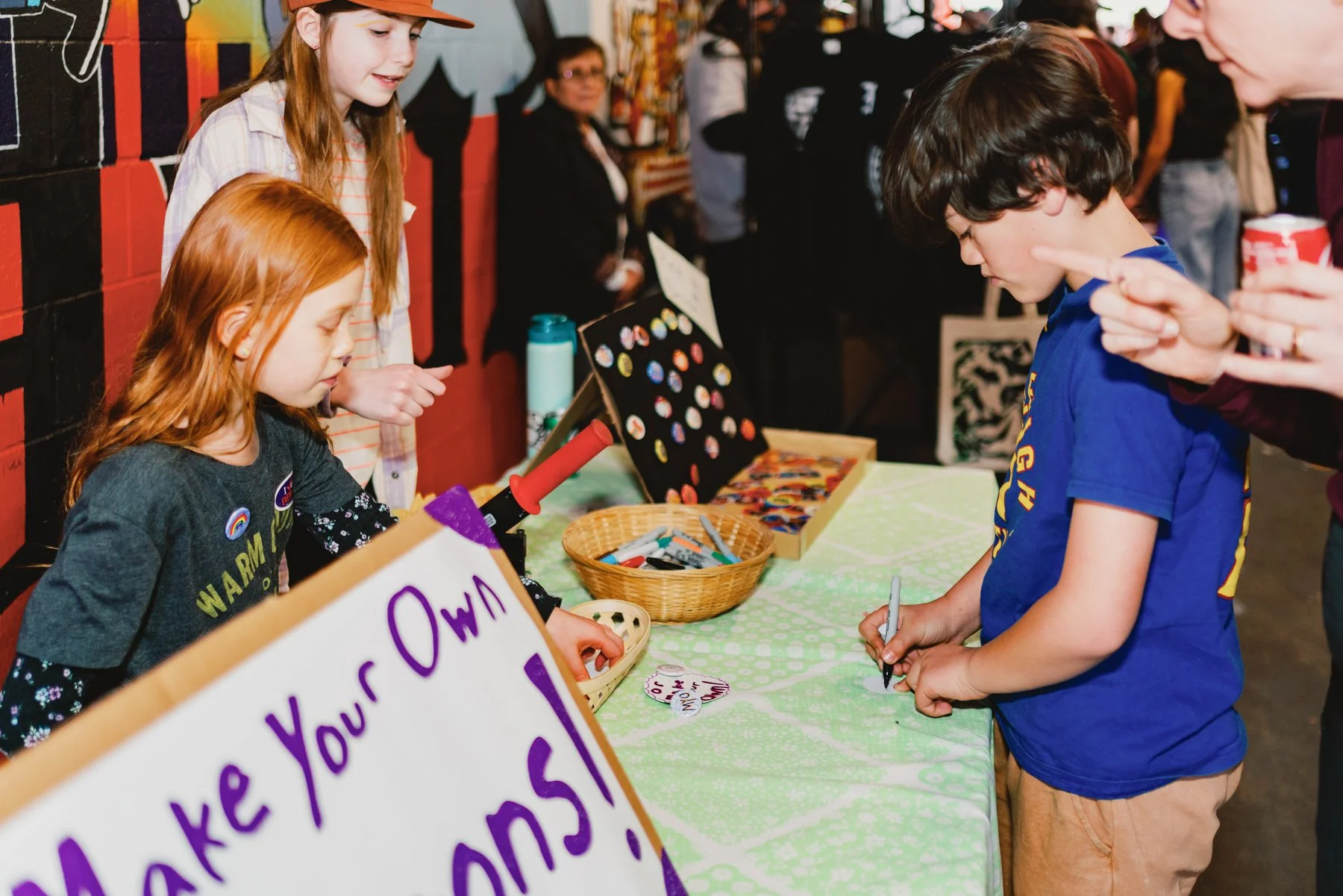
Civic renewal will never happen over a season, a year, or even a decade. it always has been and will be a project that unfolds over generations.
Our civic life can only be renewed by us choosing to build something that lasts in the places that hold us. This isn't a call to join an organization or sign up for a program. We’re not trying to sell you some new solution. We're simply inviting you to sign onto this letter and join us in committing to a new civic future (no title, grant, or organization necessary).
JOIN US!
For those working on civic renewal in your own community
We see you, and hope you find something in this letter that speaks to you. Don’t lose faith, and keep cultivating the groups, gatherings, projects, and relationships that make your place better. Add your story to this one. Contribute your lessons learned.
For the millions of Americans yearning for a sense of agency
We invite you to apply these principles in your own life. Take this letter as permission that you don’t need permission anymore. Try something new with your neighbors. Find the thing in your community you want to improve, and work on it.
For national organizations
We invite you to consider how your role can help promote localism as part of civic renewal. If you can't complement local work and commit to places for the long-haul, consider asking yourself "should I really be here?" If you are going to enter communities, leave these places better than you found them.
For philanthropy
We invite you to take a step back from managing communities, and take a step toward trusting them. Invest in distributed networks that bring together people working in their own places. Build real relationships with people stewarding their particular places, and invest in them for long enough to see what emerges.
If you see your work in this vision, we invite you to sign onto this letter.
We see signing on to these values as an act of civic aspiration. A way of saying “the future can be like this.”
But, it can also be seen as an act of civic commitment. A way of saying
“I’ll work to make it so.”
We welcome your commitment to our new civic future.
Initial Signatories & Authors
Savannah Barrett, Art of the Rural & Kentucky Rural-Urban Exchange
Pete Davis,
Join or Die
Kate Hanisian, YMCA of Greater Cincinnati
Ash Hanson, Department of Public Transformation
Darryl Holliday, News Futures & Commoner Co
Liz Joyner,
The Village Square
Naudy Martinez & Evan Vahouny, Falls Church Forward
Adrian H. Molina & Evan Weissman, Warm Cookies of the Revolution
Sam Pressler, Connective Tissue
Daniel Stid,
American Enterprise Institute
Richard Young, CivicLex
Subsequent Signatories
Sign on to the letter
"This brought tears to my eyes. As the ED of a democracy-building organization, this has been an extremely difficult environment. This letter and seeing those who have signed on in solidarity gave us so much purpose. I'm grateful to be in a space alongside so many powerful leaders and community members doing this work."
— Nancy Petitto | Civic Nebraska, Lincoln, NE
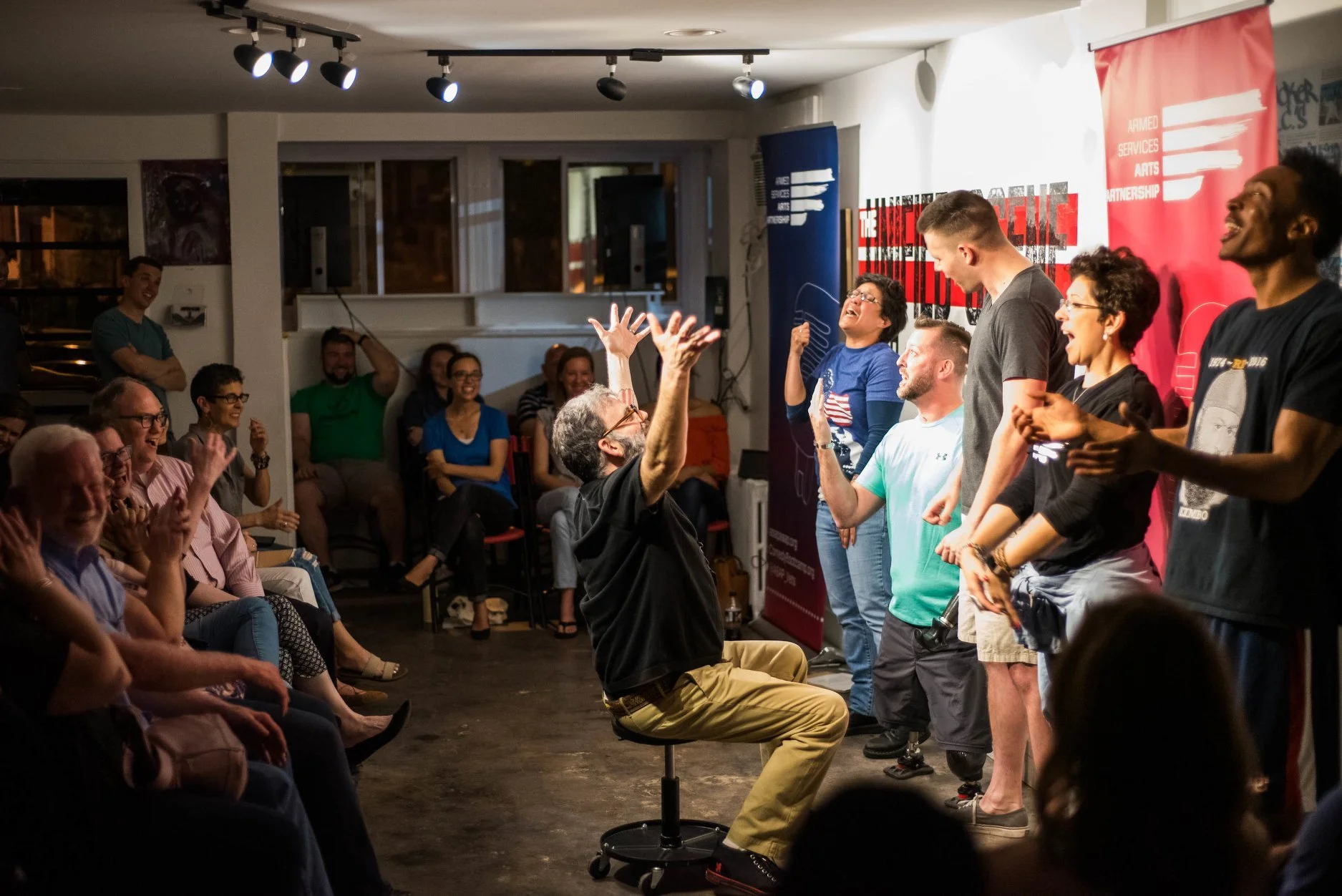
"I can feel it. I feel it when neighbors linger in our lobby long after a performance ends. When a post-show conversation stretches because no one wants to be the first to leave. When someone who walked in unsure walks out having found language for something they've carried alone ... At Theatre B, civic renewal does not look like a policy paper. It looks like rehearsal rooms, folding chairs, shared meals, and artists and audiences sitting in a circle — not as clients and providers, but as neighbors.
The most hopeful line in this letter, for me, is this: We plant trees we won't sit under. Theatre is ephemeral. A performance disappears the moment it ends. And yet the relationships endure. The young artist mentored over two seasons becomes the next steward. The audience member who felt seen becomes the volunteer, the donor, the board member. The civic fabric thickens."
— Monika Browne-Ecker | Theatre B, Moorhead, MN
"I sign as a public folklorist who has seen civic life grow wherever people gather to create and remember together. In festivals and in everyday life, people share their time, talents, and care as gifts, and relationships take root that no policy can manufacture and no metric can hold. Sustaining culture in such participation isn't an extra to civic life — it is how trust is formed and how shared futures become imaginable."
— Rory Turner | Goucher College, Towson, MD
"I was struck by this: Relearning the practices of membership we've forgotten: cooperation, shared responsibility, and mutual accountability. In Jewish life, community is not something we opt into only when it feels easy or affirming; it is something we inherit and are responsible for, especially when it is hard. Membership comes with obligations, to show up, to share responsibility, to hold one another accountable across difference. I have come to see those practices not as constraints, but as sources of strength...
When I think about the future, I imagine one shaped less by perfect agreement and more by a renewed commitment to those habits of belonging.Cooperation, mutual responsibility, and accountability are what allow communities to endure pressure without fracturing. They are what make it possible to argue, repair, and continue."
— Jonathan Hack | Harvard University, Bronx, NY
"I woke up thinking about logging off of IG and writing an invitation to anyone local to come meet me at a coffee shop over the next week to imagine a future without the platform. Then I read your newsletter. I think I'm going to do it."
— David Kurfirst | Think Olio, Brooklyn, NY
YOU CAN FEEL IT!
Here’s what our signatories have been sharing in response to reading the letter.
“After gathering neighbors each week for coffee and connection over the past six years, I can confidently say that civic renewal isn't an abstraction. It's kids handing out free lemonade. It's the person who came to a community egg hunt and ended up leading a book club for others. It's the slow accumulation of trust that only comes from being the same people in the same place over and over again. I'm so proud to sign this letter. And I'm grateful for the group you're building.”
—Tyler Chernesky | Community Happens Here, Cincinnati, OH
“I once knew all my neighbors, including their kids and pets, but for some reason, that feeling of neighborliness seems quite far away from me today. Our society has become disjointed and displaced, and we wonder why our young people are reporting historic levels of unhappiness and loneliness. Historian Jelani Cobb says, 'In a democracy, the fundamental civic unit is the neighbor.' I am proud to sign onto a letter that welcomes and encourages the revival of neighborly care."
— Melanie Raybon | GA Coalition for Education Justice, Atlanta, GA